
FLORIDA’S WATERPROOFING SYSTEMS EXPERTS
Our waterproofing systems defend your property against water damage, extreme weather, mildew, and environmental wear, ensuring long-lasting protection. EPI Painting Inc. offers various options tailored to your building’s needs, including:
- Liquid-applied waterproofing
- Sheet-applied waterproofing
- Cementitious waterproofing
- Wet window sealing

Sealants
Sealants (caulking) are widely used in the construction industry, and there are now new cladding materials available.
Typical Applications that Require Sealants
- Joints that go between concrete, metal cladding panels, or stone veneer
- Masonry expansion, coping joints, and stone-to-flashing points
- Joints at the door and window perimeters, as well as glass or glazing perimeters
- Joints in a horizontal surface, such as terraces or plazas
Waterproofing Services
Most of the joints used are simple butt joints, but specialty joints have been developed for newer applications, which include lap joints, fillet joints, glazing heel beads, and regular glazing beads.
A lot of the high-performance sealants that are used today include polyurethane and silicone. However, some older buildings might use acrylic, polysulfide, oil-based compounds, or butyl.
Are you having sealant failure?
There are four primary conditions that usually determine sealant failure. These include:
- Adhesion/bond of your sealant to your substrate
- Elasticity
- Cohesion/internal integrity of your sealant
- Weathering

Work with Us


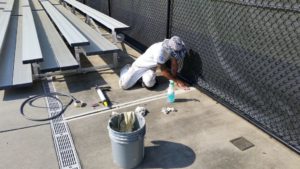
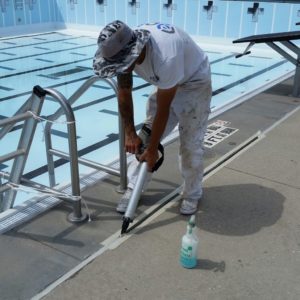
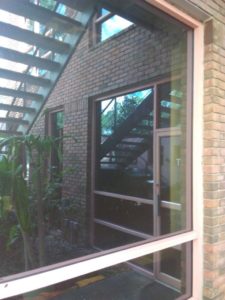

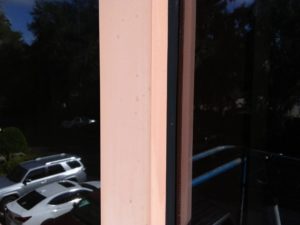
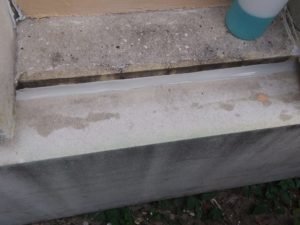
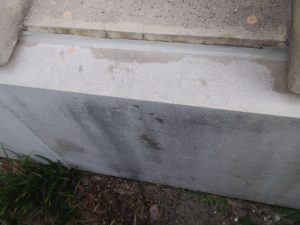
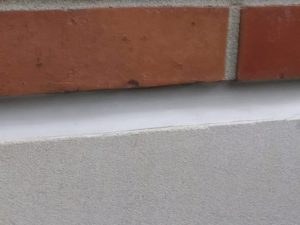

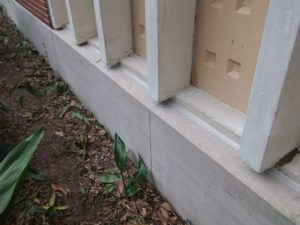




A loss of adhesion can result in the separation of your sealant from its substrate, which is sometimes visible in the openings along both sides of the joint. Cohesion loss is usually seen with cracks that run parallel to the joint’s interface. Elasticity loss can contribute to both cohesive and adhesive failures, which is indicated when the sealant cannot recover after a deformation or by a hardening of the material. Weathering can be indicated by discoloration, chalking, wrinkling, random/alligator cracking, excessive softening, or erosion of the sealant surface.
Factors contributing to these failures can include improper sealant use or improper joint design. Sealant characteristics must also be considered when selecting the right sealant and designing the width of the joint, such as elongation, elasticity, and substrate movement expectations.
Proper sealant selection is essential and should be evaluated to ensure that the substrate is compatible with the sealant. If the substrate does vary on the joint sides, different preparations may be necessary for each of the sides.
Improper Sealant Installation
If the sealant isn’t installed correctly, failure could result. Sealants are usually installed with a polyethylene bond-breaking tape or a compressible foam backing rod. Other means are available to ensure that the sealant doesn’t adhere to the joint back. If the sealant does get stick to the joint’s back and the sides, it won’t contract or expand without ripping or tearing.
Temperature is also important for when installing the sealant. If the ambient temperature is too low (below 45 degrees Fahrenheit), the joint could already be at the widest dimension possible. In this case, the sealant can’t accommodate the cyclic expansions for the substrate or compress the joint when heated. Lower temperatures can retard the sealant cure, as well. Plus, if the sealant is installed during extreme cold temperatures (below freezing), surface contamination because of frost could result in improper bonding.
Conversely, if the temperature is too high (above 90 degrees Fahrenheit), the joints may be too narrow, and the sealant may not be able to accommodate the cyclic joint expansion. If installed during very hot temperatures, sealant might flow. This instance can happen more frequently in locations that have direct sunlight or with darker colored sealant. In some cases, polyurethane sealants can reduce durability if they are cured in high temperatures.